

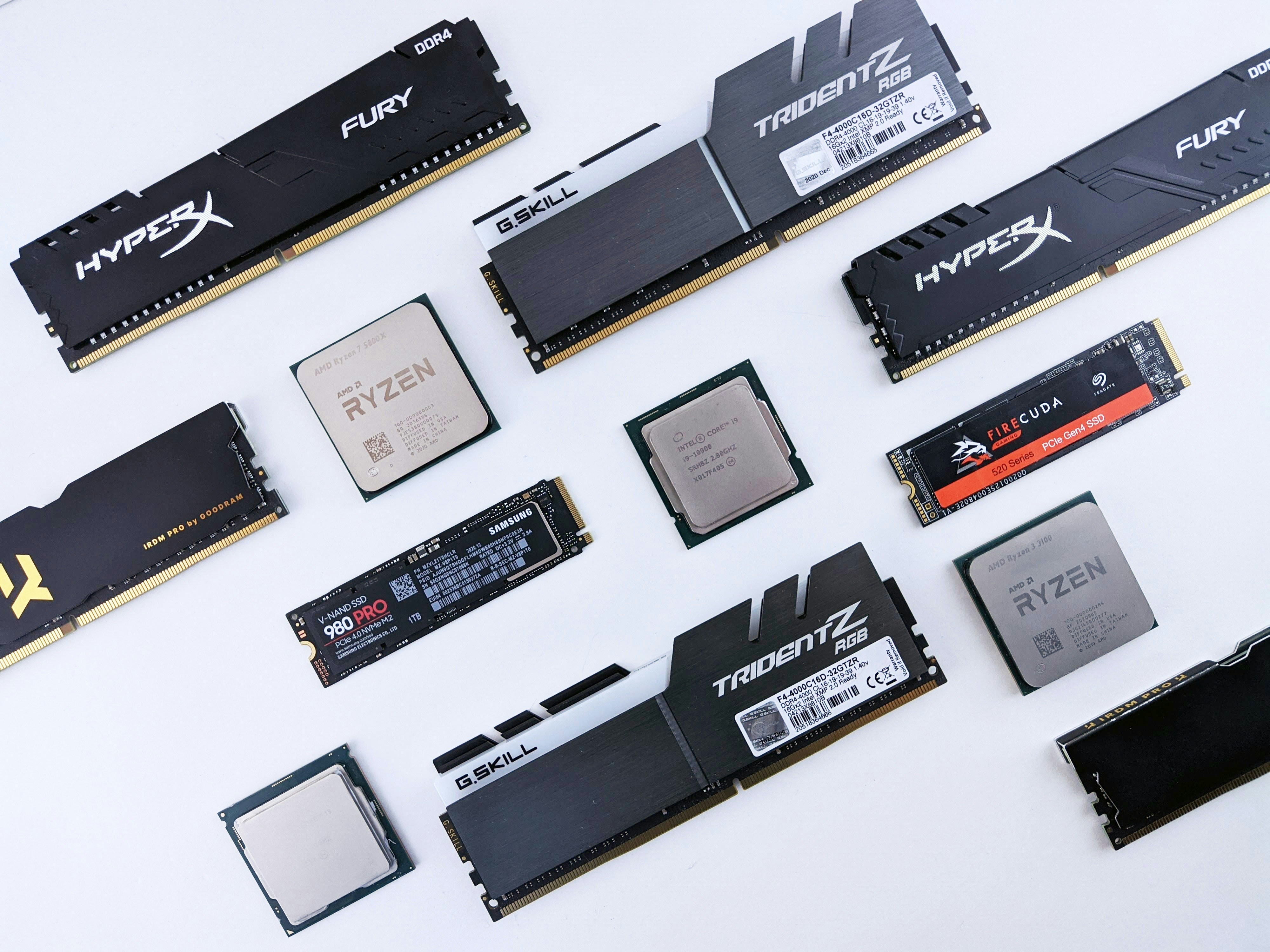
Understanding the Memory Crisis
The current memory crisis affecting the PC hardware market is the result of several interrelated factors, chiefly stemming from supply chain disruptions, escalating demand for high-efficiency memory, and a significant global semiconductor shortage. This multifaceted issue has created a challenging environment for PC enthusiasts and builders, who are now facing noticeable increases in both pricing and availability of RAM and other memory components.
Supply chain disruptions have been exacerbated by various global events, ranging from natural disasters to regulatory changes and the ongoing impact of the COVID-19 pandemic. These events have caused a ripple effect across the production lines of memory manufacturers, leading to delayed shipments and reduced output. As distributions falter, the scarcity of memory components has driven up prices, making it increasingly difficult for consumers to procure RAM at pre-crisis rates.
Simultaneously, there has been a marked rise in demand for high-efficiency memory solutions, which are integral to the latest computing technologies. With the proliferation of esports, content creation, and demanding applications, PC builders are now more inclined to seek high-performance RAM that supports faster processing and enhanced multitasking capabilities. This surge in demand has inevitably contributed to the market squeeze, further complicating the procurement landscape for consumers.
In light of these factors, the global semiconductor shortage should not be overlooked. The demand for semiconductors extends beyond memory alone, encompassing a wide range of electronic devices. As manufacturers pivot to accommodate varied markets, memory production is often deprioritized, thus slowing down the supply of RAM. Collectively, these challenges pose significant hurdles for those aiming to build or upgrade their PCs in the current climate.
Effects on PC Build Prices
The memory crisis that has unfolded in recent years has significantly impacted the cost of building a PC, particularly affecting the prices of Random Access Memory (RAM). As demand for high-performance computing has risen, manufacturers have struggled to meet this increased need, resulting in notable price escalations. In fact, over the past year alone, the average price of RAM modules has surged by approximately 40%. This increase presents a considerable challenge for enthusiasts and casual users alike who may be navigating budget constraints.
For those contemplating a new PC build, the enhanced prices can influence the choice of components and overall system performance. The rise in memory costs can lead potential builders to consider lower-capacity or slower-speed RAM options in order to maintain budget viability without significantly compromising on performance. Additionally, the global semiconductor shortages continue to exacerbate the situation, with certain types of RAM becoming less accessible, further complicating the landscape for those in the market for new hardware.
The effects of the memory crisis extend beyond new builds; users looking to upgrade existing systems are also finding themselves impacted. Upgrading RAM has traditionally been a straightforward and cost-effective method to enhance system performance. However, with rising costs, many users may now find that upgrading to the latest specifications is not financially feasible. As a result, some may choose to delay their upgrades indefinitely, leading to stagnation in performance levels across older systems. Furthermore, this can precipitate a cycle where users opt for complete system replacements rather than incremental upgrades, ultimately skewing market dynamics as demand fluctuates.
In conclusion, the ongoing memory crisis has reshaped the landscape of PC building, extending its repercussions on prices and supply choices for both novice and veteran users. The ramifications of these changes warrant close attention as the market continues to evolve in response to demand and availability.
Alternatives and Solutions for Builders
The ongoing memory crisis has significantly impacted PC building, necessitating a reassessment of approaches to component selection, particularly regarding RAM. One of the foremost strategies for builders is to consider lower-capacity RAM options. While this may seem counterintuitive at first, opting for 8GB modules instead of the more traditional 16GB can often provide sufficient performance for everyday tasks and gaming in less demanding scenarios. Evaluating the specific requirements of the intended applications can lead to a balanced decision that maintains functionality while mitigating costs.
In addition to adjusting RAM capacity, exploring second-hand components can present viable alternatives. The current market fluctuations have led many builders to part with their unused or legacy hardware, which can be acquired at competitive prices. Platforms such as eBay, Facebook Marketplace, and specialized forums can serve as valuable resources for obtaining components like RAM sticks and motherboards. However, it is crucial to exercise caution when purchasing second-hand items; checking user reviews and ensuring credible sellers can safeguard against potential scams or defective parts.
An additional viable solution is to investigate different brands of RAM. Some companies may still have stock available while others face severe shortages. Brands often vary not only in availability but also in performance and compatibility. Engaging in thorough research regarding available options, including lesser-known manufacturers, can yield beneficial results and help secure necessary components at reasonable prices. With various brands offering different warranties and customer support levels, well-informed purchasing decisions are essential amidst a turbulent market.
Ultimately, navigating the memory crisis requires adaptability and informed decision-making. By carefully considering RAM capacity, exploring second-hand options, and utilizing diverse brands, builders can effectively mitigate the impact of the memory shortage on their PC builds.
Future Outlook: Memory Market Trends
The future of the memory market appears to be on the cusp of significant evolution, influenced by various factors, including technological advancements, supply chain stabilization, and changing demands from consumers, particularly within the realm of PC builds. Market analysts project that over the next few years, the pricing of memory modules may experience fluctuations as a result of several key developments.
One trend observed is the continuous improvement in memory technology, which is expected to enhance both speed and capacity while reducing overall costs. Innovations such as DDR5 memory are paving the way for faster data transfer rates and improved performance, crucial for gaming and intensive processing tasks. As memory chips become more efficient, the price per gigabyte may decrease, thereby making higher capacity options more accessible for PC builders.
Furthermore, experts anticipate that the current supply chain challenges affecting the memory market may gradually resolve. The pandemic had interrupted production and logistics, contributing to shortages and inflated prices. As manufacturers adapt and scale their operations, the availability of memory products should increase, which could lead to more competitive pricing structures.
This potential easing of constraints will likely benefit gamers and PC builders alike, allowing them to invest in high-performance components without the prior financial burdens. As a result, consumers can expect a more favorable landscape where upgradable systems with optimal memory configurations become attainable.
In conclusion, the memory market is poised for transformation, driven by technological improvements and market readjustments. As these trends unfold, they will significantly influence PC build strategies and gamer experiences, ultimately enhancing the overall computing landscape.