

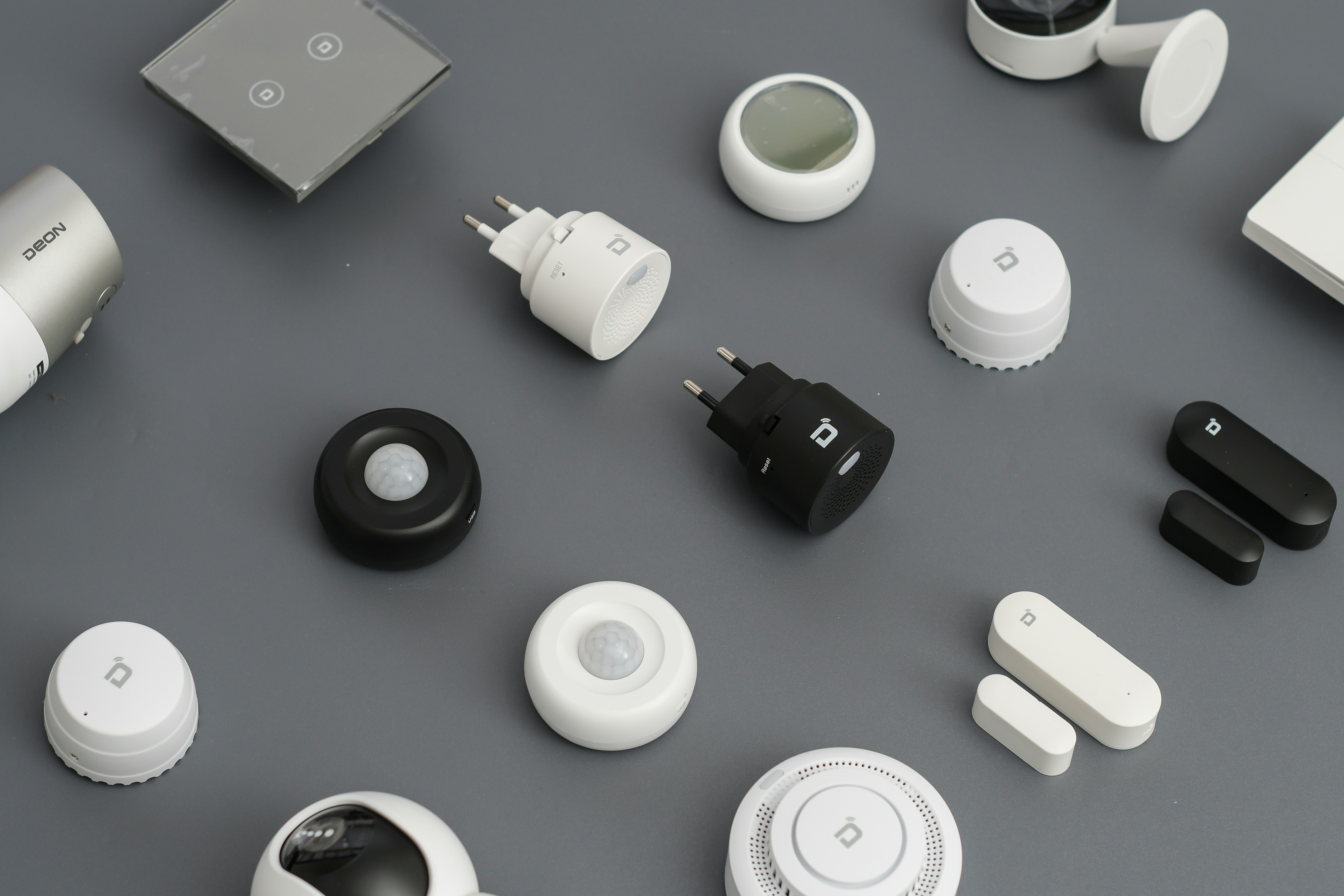
What is Smart Home Interoperability?
Smart home interoperability refers to the ability of various smart devices from different manufacturers to communicate, share information, and work seamlessly together within a connected home environment. As the demand for smart home solutions continues to rise, interoperability has become a crucial component in ensuring that devices—such as smart speakers, lights, thermostats, and security systems—function cohesively. This capability is essential for homeowners seeking to create an integrated smart ecosystem that enhances convenience and efficiency.
The significance of smart home interoperability lies in its potential to streamline user experience. With numerous devices operating on different protocols, the lack of a unifying standard can lead to frustration. Consumers often face challenges in managing a mix of products that do not communicate effectively. Interoperability addresses this issue by allowing devices to work in concert, enabling users to control them through a single app or device. For instance, a smart thermostat can adjust heating based on information received from smart sensors located in various rooms, thus optimizing energy usage efficiently.
In addition to improving convenience, effective interoperability enhances the overall functionality of smart homes. It allows for the creation of customized automation rules—such as turning off lights when no one is present or locking doors when the homeowner leaves. These automations can significantly elevate the security and comfort of a connected home, making life easier for users. Therefore, as the market for smart home technology continues to develop, interoperability remains a fundamental consideration for both consumers and manufacturers alike, paving the path for a more connected future.
Introducing the Matter Standard
The Matter standard, developed to enhance smart home interoperability, represents a crucial step towards unifying diverse smart device ecosystems. Introduced in 2021, Matter is the brainchild of the Connectivity Standards Alliance (CSA), formerly known as the Zigbee Alliance. This initiative aims to provide a common framework for manufacturers to ensure their devices work seamlessly with products from various brands, addressing one of the most significant barriers faced by consumers today: compatibility.
Key stakeholders in the Matter initiative include industry giants such as Apple, Google, Amazon, and many others, all collaborating to foster a unified approach to smart home technology. This comprehensive collaboration has enabled the creation of a standard that not only enhances current devices but also sets the groundwork for future innovations in the smart home market.
The primary purpose of Matter is to simplify the user experience by allowing interoperability among an extensive range of smart home devices, including lighting controls, security systems, and thermostats. With Matter, users can integrate smart devices from different manufacturers into a single, cohesive system. This development will empower consumers, as they will have the liberty to choose products based not only on features but also on their comfort and preferences, rather than worrying about compatibility issues.
Ultimately, the implications of the Matter standard transcend the technical realm; they indicate a significant paradigm shift in the approach towards smart home technology. By establishing a common language among devices, Matter is paving the way for a more interconnected and user-friendly smart home environment—an advancement that promises to benefit both consumers and manufacturers alike.
Benefits of Using Matter for Smart Home Devices
The Matter standard has emerged as a pivotal framework in enhancing the interoperability of smart home devices. One of the primary benefits of adopting Matter is its significant ability to promote greater compatibility among various products. By integrating multiple manufacturers and platforms, Matter allows devices from different brands to communicate seamlessly, thereby enabling users to create a cohesive smart home ecosystem.
In addition to enhancing compatibility, Matter simplifies the setup process for consumers. Before the implementation of Matter, configuring smart devices often required navigating a maze of proprietary applications and protocols. However, with Matter’s unified approach, users can set up their devices more effortlessly, typically requiring only one or two applications regardless of the brand. This simplification not only saves time but also reduces frustration, making smart technology more accessible to a broader audience.
Security is yet another critical advantage of using the Matter standard. Matter employs stringent security measures, including end-to-end encryption and secure device onboarding, which provides users with confidence in their smart home installations. As smart home devices continue to proliferate, ensuring robust security protocols becomes essential to protect consumers from potential breaches and unauthorized access.
Moreover, Matter helps consumers avoid vendor lock-in, a common challenge in the smart home landscape. Users who adopt devices based on the Matter standard are not tied down to a single brand or ecosystem, allowing them greater flexibility in choosing and integrating new devices as they become available on the market. This open-source approach encourages innovation and competition among manufacturers, ultimately benefiting the consumer with a wider array of options.
In conclusion, the Matter standard enhances compatibility, simplifies device setup, fortifies security, and mitigates vendor lock-in, thereby significantly improving the overall smart home experience for users.
Future of Smart Homes with Matter
The emergence of the Matter standard has the potential to significantly shift the landscape of smart home technology. As a unified protocol, Matter aims to enhance interoperability among a variety of connected devices, promoting seamless communication and integration. This advancement is likely to lead to a more cohesive smart home ecosystem that benefits both consumers and manufacturers alike.
One of the key implications of adopting Matter is the facilitation of simpler, more efficient device setups for consumers. Users will no longer need to worry about device compatibility issues, as Matter certified products from various manufacturers will work together flawlessly. This not only enhances user experience but also encourages consumers to invest in more smart home devices without the fear of them being incompatible. Ultimately, as this standard gains traction, we can expect an increase in consumer adoption rates and a broader market for smart home technologies.
However, the journey toward universal adoption of Matter is not without its challenges. Manufacturers must navigate the complexities of aligning existing products with the new standard, which may involve significant investment in research and development. As the technology matures, manufacturers need to innovate while ensuring compliance with the Matter standard to keep pace with evolving consumer demands. Additionally, the software updates needed for legacy devices may pose obstacles, as users will have to balance modernism with the practicality of existing technologies.
As developments continue within the realm of smart home technology, it is essential for stakeholders to prioritize collaboration and transparency. The shared responsibility for establishing a cohesive ecosystem among manufacturers will be vital for the successful implementation of the Matter standard. As interoperability becomes the norm, it is anticipated that an increasingly diverse array of smart home solutions will emerge, paving the way for a future characterized by enhanced automation, security, and convenience.